
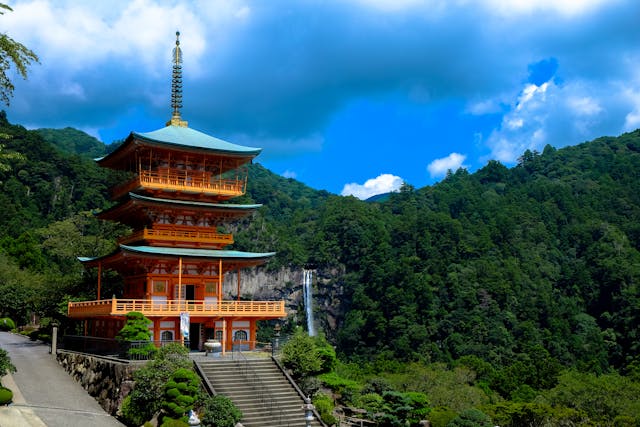

A Journey Through Time: Unveiling the Rich History of Asia
Asia is the cradle of some of the world’s oldest civilizations. From the Great Wall of China to the palaces of Rajasthan, the history of Asia is filled with stories that have shaped humanity. This journey takes you through ancient cities, sacred sites, and cultural treasures that bring the past alive.
Exploring the Cradle of Civilization
The history of Asia began thousands of years ago. Civilizations like the Indus Valley, Mesopotamia, and Ancient China laid the foundation for trade, language, and urban life. These regions saw the birth of writing, the wheel, and governance systems still relevant today.
In Iraq, for example, you can still visit the ruins of Babylon, once home to the Hanging Gardens—one of the Seven Wonders of the Ancient World (UNESCO).
The Marvels of Ancient Architecture
One of the best ways to experience the history of Asia is through its stunning architecture. In Cambodia, the temple complex of Angkor Wat tells the story of the mighty Khmer Empire. Built in the 12th century, this UNESCO World Heritage Site is not just a monument—it’s a symbol of spiritual devotion.
In India, the majestic forts and palaces of Rajasthan showcase the opulence of the Mughal and Rajput eras. The Amber Fort in Jaipur is a prime example, with its blend of Hindu and Islamic architectural styles.
The Great Wall of China: A Symbol of Endurance
Stretching over 13,000 miles, the Great Wall of China stands as one of the most iconic testaments to the history of Asia. Built to protect the Chinese empire from invasions, the wall was constructed over several centuries. Today, walking along its rugged paths offers a glimpse into the strength and unity of ancient Chinese society.
You can start your exploration from Mutianyu, a well-preserved section of the wall near Beijing (Visit China).
Asia’s Religious Heritage
The history of Asia is deeply connected to the development of major world religions. Buddhism, Hinduism, Islam, and Christianity all found rich soil here. In Japan, you’ll find centuries-old Shinto shrines alongside Zen Buddhist temples like Kinkaku-ji in Kyoto.
In Sri Lanka, the ancient city of Anuradhapura houses sacred Bodhi trees and dagobas that date back over 2,000 years. These religious landmarks continue to draw both pilgrims and history enthusiasts.
The Silk Road: Where East Met West
Asia’s historical impact goes beyond borders. The Silk Road connected the East with Europe, facilitating trade, culture, and ideas. Cities like Samarkand in Uzbekistan became melting pots of languages, crafts, and traditions.
Visiting Bukhara or Kashgar still feels like stepping back in time. These trade hubs played key roles in shaping global history (Silk Road UNESCO).
Southeast Asia’s Colonial Past
The history of Asia also includes centuries of colonial influence. Cities like Hanoi, Manila, and Colombo reflect layers of European architecture, food, and governance from the times of the French, Spanish, Dutch, and British empires.
Despite their past, these cities have embraced their complex histories to create vibrant cultural identities.
Preserving the History of Asia for the Future
Many organizations work tirelessly to protect Asia’s historical treasures. The UNESCO World Heritage program lists over 250 sites in Asia, from the Taj Mahal to Bagan in Myanmar. These efforts ensure that the stories and legacy of ancient Asia continue to inspire future generations.
Final Thoughts
The history of Asia is a vast and colorful tapestry woven with empires, philosophies, and innovations. Whether you’re walking through a bustling souk in Istanbul or standing before the serene face of a Buddha statue in Thailand, Asia invites you to travel not just across land—but across time.